


The best backpacking backpacks come down to fit first and features second — a pack that doesn’t match your torso length will wreck a trip no matter how many pockets it has. We compared capacity, suspension design, and weight across today’s top options to find the ones worth your money in 2026.
What Actually Matters When Choosing a Pack
Capacity, torso fit, and suspension type are the three things that actually decide whether a pack works for you — pocket count, color, and brand loyalty are secondary.
- Capacity: 50–65L covers most 2–5 night trips. Go smaller if you pack light, bigger for winter loads or slower resupply cycles.
- Torso length, not height: Packs are sized to the distance from your C7 vertebra to your hip bones, not how tall you are. Get measured before you buy.
- Suspension and ventilation: Mesh back panels trade a little stability for a lot of airflow. Solid back panels hug the load closer for technical terrain.
Our Picks for the Best Backpacking Backpacks in 2026
Osprey Atmos AG LT 65: Best Overall
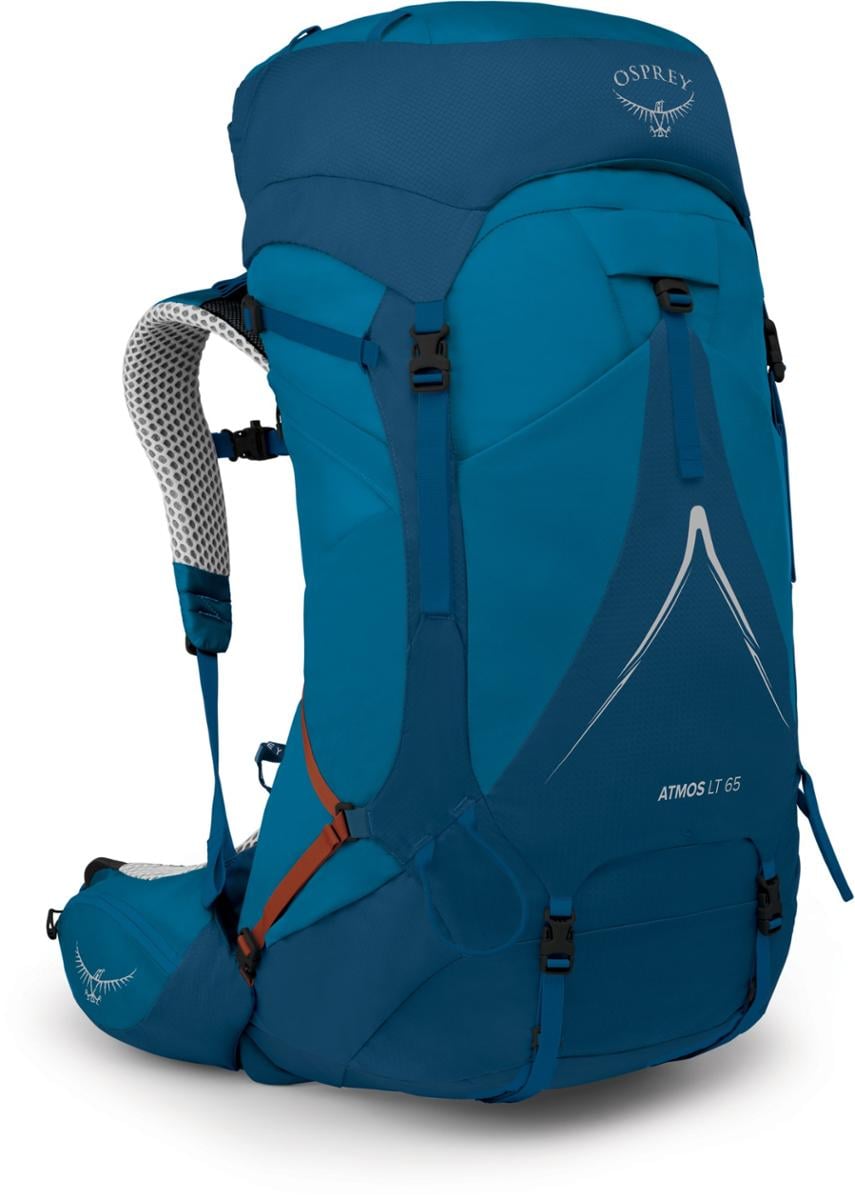
Specs:
– Price: $320.00
– Weight: ~4 lbs. 7 oz. (regular)
– Capacity: 65L
– Suspension: AntiGravity mesh back panel
The AntiGravity suspension is still the class benchmark — a trampoline-style mesh back panel that keeps 40+ lb loads off your spine while venting heat on climbs.
It’s not the lightest pack here at roughly 4.5 lbs, so ounce-counters doing fast-and-light trips should look at the Exos Pro below instead.
Gregory Paragon 60: Best for Comfort & Fit
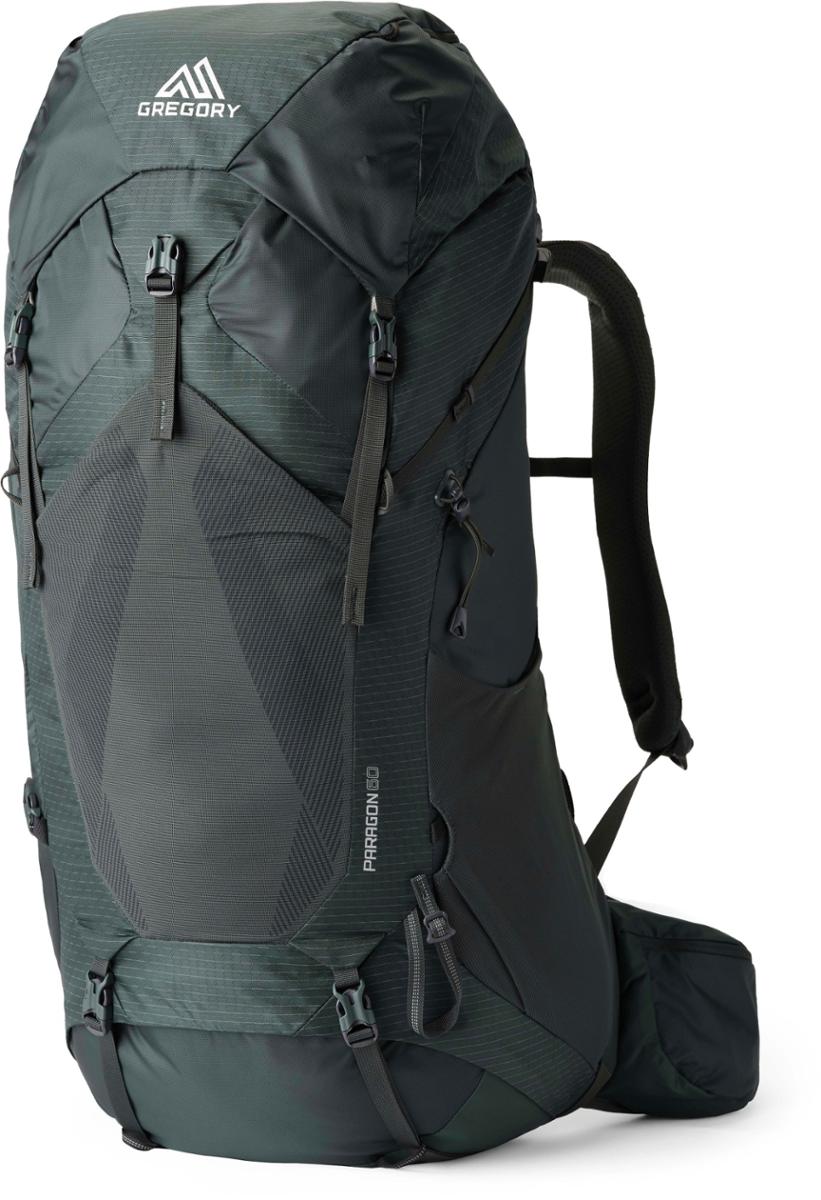
Specs:
– Price: $299.95
– Weight: ~3 lbs. 8 oz. (regular)
– Capacity: 60L
– Suspension: FreeFloat hipbelt
Gregory’s FreeFloat suspension lets the hipbelt and shoulder harness pivot independently, so the pack tracks your body through scrambles and side-hill traverses instead of fighting you.
At roughly 3.5 lbs it’s lighter than the Atmos without giving up much load support, and the built-in rain cover and sleeping bag compartment are nice touches at this price.
Osprey Exos Pro 55: Best Ultralight
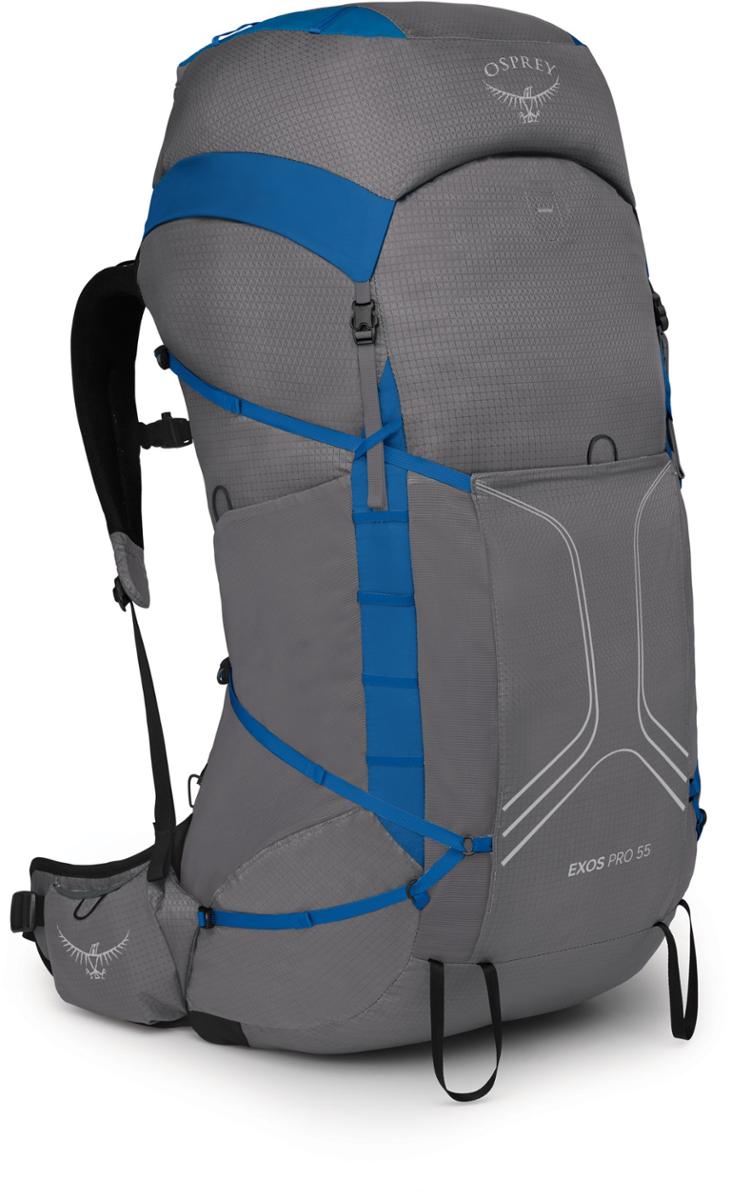
Specs:
– Price: $330.00
– Weight: ~2 lbs. 9 oz. (regular)
– Capacity: 55L
– Suspension: AirSpeed mesh back panel
This is the pack for people trying to cut their base weight without giving up an actual suspension system — it’s built for loads up to 30 lbs, not stripped-down webbing straps.
You lose some of the plush padding of the Atmos, and capacity tops out lower, so it’s a better fit for experienced backpackers than first-timers still dialing in their kit.
Rab Exion 38: Best Budget Pick

Specs:
– Price: ~$237.50
– Weight: ~2 lbs. 9 oz.
– Capacity: 38L
– Suspension: V-Trail adjustable frame
At around $237 the Exion undercuts every other pack on this list by $50+ while still using a real adjustable frame instead of cutting corners on the suspension.
It’s a smaller 38L pack rather than a true 55-65L hauler, so it suits lighter loads and shorter trips best — REI doesn’t carry it, so Amazon is your only option here, and the fit range runs slightly narrower than Osprey or Gregory. Try it on if you can before a long trip.
Frequently Asked Questions
How do I know what size backpack I need?
Measure your torso length — from the C7 vertebra at the base of your neck to the imaginary line between your hip bones — not your height. Most brands publish a size chart matching torso length to S/M/L, and getting this wrong is the number one reason backpacks feel uncomfortable.
How much pack capacity do I actually need?
50–65 liters covers the vast majority of 2–5 night trips. Go smaller (40–50L) if you’re an experienced minimalist packer, and size up toward 65–70L for winter trips or if you’re carrying shared gear.
Do I need a rain cover?
Most of the best backpacking backpacks handle weather better than you’d expect. Yes, in some form. The Paragon and Exion both include one built in; for packs that don’t, a $15–20 separate rain cover or a pack liner bag is cheap insurance against a soaked sleeping bag.
Internal frame vs. frameless — does it matter?
Most of the best backpacking backpacks worth buying today use an internal frame. For loads over about 20–25 lbs, yes. An internal frame transfers weight to your hips instead of your shoulders. Frameless packs only make sense if you’ve already dialed in an ultralight kit under 20 lbs total.
Final Thoughts
There’s no single “best” backpack — there’s the pack that matches your torso, your typical trip length, and how much you’re willing to spend. If you’re outfitting a full kit for the season, check out our guide to the best sleeping bags of 2026 to round out what goes inside the pack.


